Signature Smiles of LA Blog

Benefits Of Brushing Teeth With Salt

June 23, 2026

While commercial toothpaste dominates the market, there’s growing interest in natural alternatives such as brushing teeth with salt. Salt has been used for centuries as a natural remedy for oral health issues, thanks to its antibacterial, antiseptic, and anti-inflammatory properties.

Benefits of Brushing Teeth with Salt

  • Antibacterial Action — Natural antibacterial properties help eliminate harmful bacteria, aiding in preventing cavities, gum disease, and bad breath.
  • Acid Neutralization — The alkaline nature of salt neutralizes acids in the mouth that can erode tooth enamel.
  • Anti-inflammatory Effects — Can reduce swelling and inflammation in the gums, beneficial for those with gingivitis.
  • Teeth Whitening — As a mild abrasive, salt can help remove surface stains and discoloration over time.
  • Cost-effectiveness — Affordable and easy to prepare at home with just salt and water.

How to Make Salt Toothpaste

Combine 1 tablespoon of sea salt or Himalayan salt with 1 tablespoon of water until a paste-like consistency forms. Dip your toothbrush, brush gently covering all surfaces, then spit and rinse.

Individuals with sensitive teeth or gums should exercise caution and consult with a dentist before incorporating salt toothpaste into their oral care routine.

Is It Normal To Have Ear Pain After Tooth Extraction?

Ear pain after tooth extraction is a frequent occurrence. Despite anticipating some discomfort and swelling, the additional sensation of ear pain may come as a surprise to many patients.

Why Does Ear Pain Occur?

Our heads have nerves running throughout the jaw, face, and into the ears. During extraction — particularly involving lower wisdom teeth or molars — these nerves may be irritated. The brain can misinterpret this irritation as referred pain in the ear. Inflammation from the body’s healing response can also radiate pain to the ear when it affects tissues near the jaw joint or the trigeminal nerve.

Tips for Managing Ear Pain

  • Pain Medication — OTC pain relievers like ibuprofen or acetaminophen can effectively reduce pain and inflammation.
  • Ice Packs — Apply wrapped in cloth to the extraction site for 15-minute intervals to reduce swelling.
  • Warm Compresses — After 24–48 hours, warm compresses can increase blood flow and promote healing.
  • Elevation — Keep your head elevated when sleeping to minimize pressure buildup.
  • Maintain Oral Hygiene — Gently brush and floss as instructed to prevent infection.

When to See a Dentist

Seek professional help for: severe or unrelieved ear pain; signs of infection (fever, chills, pus drainage, foul taste); pain persisting beyond 3–4 days; or persistent numbness or tingling. Ear pain after extraction is usually temporary and resolves within a few days with proper care.

Invisalign vs. Braces: Which Is the Better Option?

A beautiful smile can boost your confidence and make a great first impression. If you’re unhappy with misaligned teeth, this guide helps you decide between Invisalign and traditional braces.

Traditional Braces

Metal brackets bonded to your teeth, connected by wires that gradually shift teeth into position. Highly effective for a wide range of misalignment issues.
Pros: Proven track record; effective for most cases including complex misalignments; generally more affordable; requires less patient compliance since they’re fixed to teeth.
Cons: Visible metal components; may cause mouth irritation; food restrictions; requires regular adjustment visits.

Invisalign

A series of clear, removable plastic aligners custom-made to fit your teeth. You switch to a new set every few weeks.
Pros: Virtually invisible; removable for eating, drinking, and oral hygiene; less discomfort; may have shorter treatment times in some cases.
Cons: Not as effective for complex misalignment; requires 22 hours/day compliance; can be lost or damaged; generally more expensive.

Which Is Right for You?

Consider severity of misalignment (braces better for severe cases), lifestyle preferences (Invisalign for discretion), budget (braces typically more affordable), and discipline (Invisalign requires consistent wear). Schedule a consultation to determine the best treatment for your specific needs.

Can I Use Mouthwash After Wisdom Tooth Extraction?

Just had your wisdom teeth extracted? The recovery process requires special attention to your oral hygiene. What about mouthwash — can it help or should you avoid it?

The Short Answer: It Depends on Timing and Type

  • First 48 hours: Avoid mouthwash altogether. This critical period allows the blood clot to form and solidify. Vigorous rinsing can dislodge the clot, leading to prolonged bleeding, delayed healing, and dry socket.
  • After 48 hours: If your dentist gives the green light, use a gentle, alcohol-free mouthwash containing chlorhexidine gluconate (CHG). Alcohol-based mouthwashes can irritate the extraction site and hinder healing.

Saltwater Rinse: A Safe Alternative

A simple saltwater rinse made with warm water and a teaspoon of salt is safe and effective. Swish gently for 30 seconds and spit.

Additional Recovery Tips

  • Use a soft-bristled toothbrush and gentle technique around the extraction site.
  • Use floss threaders or soft picks to clean between teeth without disturbing the site.
  • Drink plenty of fluids but avoid straws — suction can disturb the clot.
  • Stick to soft, non-acidic foods for the first few days.

How Can I Fix My Periodontal Disease Naturally?

Periodontal disease is an inflammation of the gums affecting millions worldwide. While professional dental care is essential, natural strategies can support healthy gums. These complement professional care — they do not replace it.

Excellent Oral Hygiene

Brush twice daily using gentle circular motions, reaching all surfaces including the gum line. Floss at least once a day. Clean your tongue regularly. Replace your toothbrush every 3 months.

Dietary Choices

  • Eat fruits, vegetables, and whole grains for vitamins and antioxidants.
  • Get calcium from dairy, leafy greens, and fortified foods to strengthen the jawbone.
  • Vitamin C (citrus, berries, bell peppers, broccoli) is vital for collagen production in gum tissue.
  • Limit sugary foods that promote bacterial growth.

Natural Antibacterial Support

  • Salt Solution — Swish warm saltwater for 30 seconds to reduce inflammation.
  • Green Tea — Contains polyphenols with anti-inflammatory and antibacterial properties.
  • Aloe Vera — Alcohol-free aloe vera mouthwashes or gels can support gum healing.

The Importance of Professional Dental Care

Scaling and root planing removes plaque and tartar below the gum line. In severe cases, antibiotics or surgery may be necessary. Regular checkups allow for early detection and intervention.

How To Fix A Cracked Tooth Naturally

Anxiety and pain can arise from a fractured tooth. There is no way to fix a cracked tooth naturally, but there are steps you can take to manage discomfort and maintain oral health until you see a dentist.

Why You Shouldn’t Ignore a Cracked Tooth

Leaving a cracked tooth untreated can lead to infection (bacteria reaching the pulp), pulp damage requiring root canal treatment, or a complete fracture of the tooth. Early diagnosis and treatment are essential to prevent complications.

Treatment Options Your Dentist May Recommend

  • Dental bonding — For minor cracks in the enamel
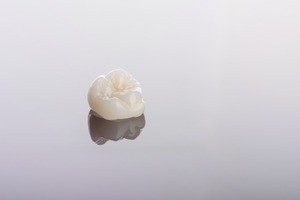
  • Dental crown — If the crack involves the dentin or pulp
  • Root canal treatment — If the pulp is damaged
  • Tooth extraction — If the tooth is severely cracked and cannot be saved

Managing Discomfort Until Your Appointment

Use a soft-bristled toothbrush and brush gently. Floss daily to prevent gum disease. Avoid hard, chewy, or crunchy foods. Chew on the side away from the cracked tooth. Seek immediate care for severe pain, facial swelling, difficulty breathing, or fever.

How Do You Stop Sensitive Teeth Pain Fast?

Sensitive teeth pain can turn a refreshing beverage or a delicious meal into a wince-inducing experience. Millions of people grapple with sensitive teeth, but there are ways to find relief.

What Causes Sensitive Teeth Pain?

When enamel weakens or wears away, microscopic tubules in the dentin become exposed, allowing hot, cold, acidic, sweet, or certain textures to trigger pain. Causes include receding gums, worn enamel (from acidic foods or aggressive brushing), cracked or chipped teeth, and recent dental procedures.

Fast Relief

  • Desensitizing toothpaste — Contains potassium nitrate or stannous fluoride to help block the pain-transmitting tubules. Apply generously and brush gently for two minutes twice daily.
  • OTC pain relievers — Ibuprofen or acetaminophen can help manage pain.
  • Clove oil — Apply diluted clove oil (mixed with olive oil) to a cotton swab and dab gently on the sensitive tooth. Avoid direct gum contact.
  • Saltwater rinse — Mix a teaspoon of salt in warm water and swish for 30 seconds to reduce inflammation.

Long-Term Solutions

Use a soft-bristled toothbrush with gentle technique. Switch to fluoride toothpaste. Limit acidic foods. Get a custom-fitted nightguard if you grind. Your dentist may also recommend fluoride varnish, gum grafting, or dental crowns depending on the cause.

Can You Use Mouthwash Before Brushing?

Brushing your teeth twice a day and flossing once a day are the cornerstones of good oral hygiene. But what about mouthwash — should you use it before or after brushing?

Mouthwash Before Brushing: Pros and Cons

Pros: May loosen plaque and reduce overall bacteria in your mouth before brushing. Cons: Can wash away beneficial fluoride from toothpaste, which strengthens teeth and prevents cavities.

Mouthwash After Brushing: Pros and Cons

Pros: Preserves fluoride from toothpaste; reaches areas your toothbrush may have missed. Cons: May be slightly less effective at loosening plaque since you’ve already brushed.

The Verdict: Brushing First Is Generally Preferred

Most dentists recommend using mouthwash after brushing. Recommended routine: brush for two minutes with fluoride toothpaste → floss → rinse with mouthwash (after brushing). Choose a mouthwash that contains fluoride and is alcohol-free, as alcohol can dry out your mouth and contribute to bad breath.

How To Take Care Of Your Dental Veneers

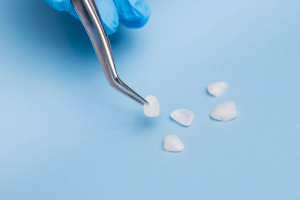
Dental veneers are thin shells of porcelain or composite resin bonded to the front surface of your teeth, concealing imperfections like chips, cracks, discoloration, or gaps. With proper care, veneers can last for a decade or even longer.

Brushing and Flossing

Brush twice a day for two minutes using a soft-bristled toothbrush and a non-abrasive fluoride toothpaste. Floss at least once a day to remove plaque from between teeth and the gum line, helping prevent gum disease that can compromise the underlying tooth.

Be Gentle — Veneers Aren’t Unbreakable

Avoid using your teeth as tools. Biting down on hard objects like ice, nuts, or candy can chip, crack, or dislodge veneers. Chop crunchy snacks into smaller pieces before consuming.

Mind What You Eat

Dark berries, coffee, tea, and red wine can affect veneer color. Rinse your mouth with water after consuming these. Smoking and tobacco use can also stain veneers and contribute to gum disease.

Regular Dental Checkups and Nightguards

Schedule checkups and cleanings every six months. Your dentist will examine veneers for signs of wear, chipping, or staining. If you grind your teeth at night, a custom-made nightguard will protect both your teeth and veneers from wear and tear.

If Problems Arise

For chipping or cracking, contact your dentist immediately. For a loose veneer, never try to reattach it yourself. For gum recession, maintain excellent oral hygiene and schedule regular cleanings.

8 Great Ways to Improve Your Smile

A smile is more than just a physical expression — it’s a window to confidence, warmth, and happiness. Whether you yearn for a brighter white, a straighter alignment, or simply healthier teeth, there are numerous ways to improve your smile.

  1. Brushing and Flossing — The foundation of a great smile. Brush twice a day for 2 minutes and floss daily.
  2. Whitening — Combat stains from coffee, tea, and wine with OTC whitening strips or professional in-office whitening. Always consult your dentist first.
  3. Clear Aligners (Invisalign) — Removable, nearly invisible aligners for adults and teens. No food restrictions and easier to clean than traditional braces.
  4. Veneers and Bonding — Veneers are thin porcelain shells for chips, cracks, or discoloration. Bonding uses composite resin to repair minor chips or gaps.
  5. Crowns — For severely damaged or broken teeth. Available in porcelain (aesthetic) or gold (maximum durability).
  6. Implants — The gold standard for tooth replacement. A titanium screw acts as an artificial root for a crown or bridge.
  7. Gum Health — Often overlooked but crucial. Untreated gum disease can lead to gingivitis and periodontitis. Brush, floss, and visit your dentist regularly.
  8. Healthy Lifestyle — Limit sugary foods and drinks. Avoid smoking and excessive alcohol. Stay hydrated for a brighter, healthier smile.

Talk to your dentist to discover the best path for your unique smile journey.