Restorative Dentistry Encino
Protecting Your Smile with Custom Dental Restorations
When a tooth becomes broken, damaged, or receives a major treatment like root canal therapy, a dental restoration can restore its strength and structure to help it persevere. At Signature Smiles of LA, we use high-quality dental materials to offer restorations that look completely natural as well as stand the test of time. To learn more about our restorative dentistry treatments, continue reading or reach out to our Encino dental team today.
Why Choose Signature Smiles of LA for Restorative Dentistry?
- Putty-Free & Precise Digital Impressions
- High-Quality & Natural Looking Materials Used
- We Accept Insurance & Offer Financing
Dental Crowns
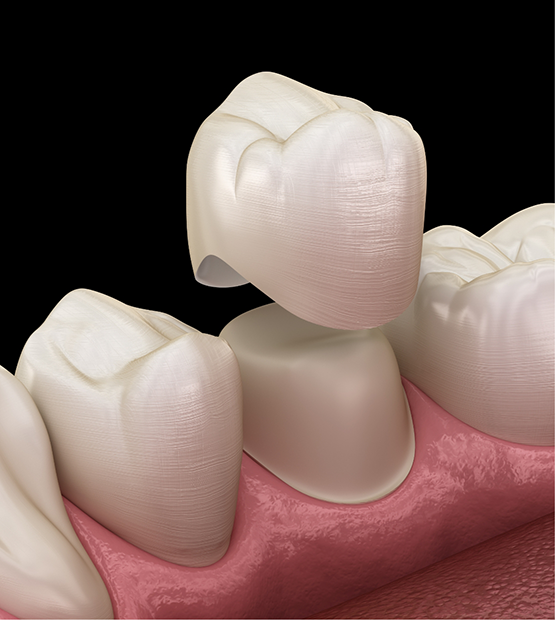
Dental crowns are designed to fit over compromised teeth like a helmet to provide them with added strength and protection. We typically recommend crowns following a root canal treatment, large filling, or if a tooth has been broken or badly damaged. It helps keep bacteria out, prevent dental sensitivity, and allows you to keep your natural smile.
Learn More About Dental Crowns
Tooth-Colored Fillings
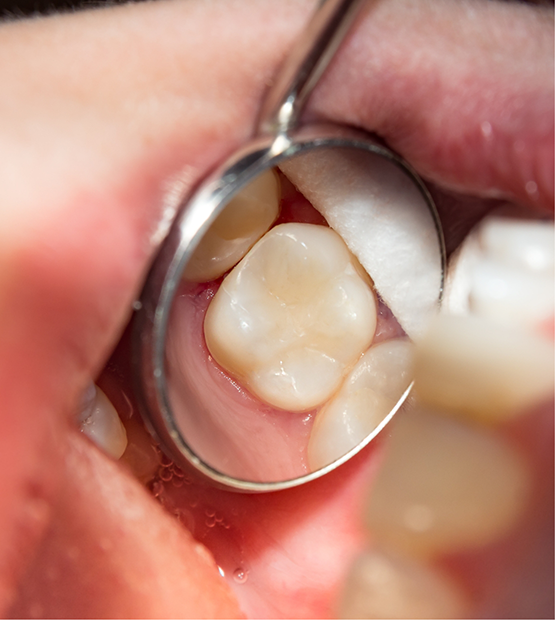
If our team spots damage left by cavities, we will likely recommend a tooth-colored filling to restore the tooth and prevent decay from spreading. This minimally-invasive, biocompatible treatment helps rebuild the structure out of your tooth using a natural-looking composite resin putty that fuses with your tooth enamel. As a result, it requires less alteration of your dental structure and a tighter, stronger seal.
Learn More About Tooth-Colored Fillings
Dental Inlays & Onlays
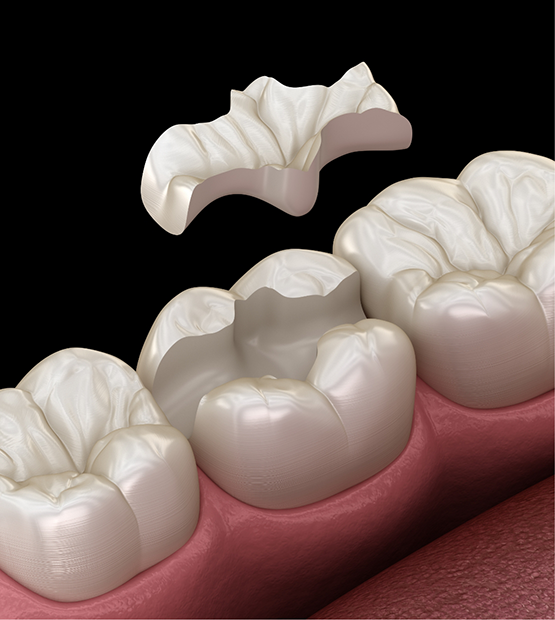
A dental inlay or onlay is a restoration Dr. Mahooti might recommend instead of a crown to preserve more tooth structure. Like a crown, an inlay or onlay is designed to restore a tooth but not cover it entirely; instead, it sits on top of or inside the tooth to strengthen it and restore chewing function.
Full Mouth Reconstruction
Years of dental damage due to injury, poor oral hygiene, and bad habits can take their toll on your smile and may be impossible to repair with just one dental procedure. With full mouth reconstruction in Encino, we can rebuild your gorgeous, pain-free grin step-by-step, by customizing a treatment plan that addresses as few or as many issues as you’d like, each of which can be done to accommodate your schedule, and with your individual budget in mind.